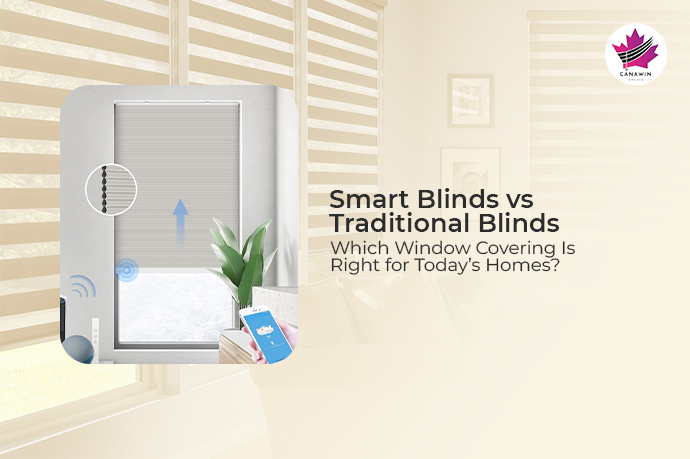
Modern homeowners are constantly upgrading their living spaces with new technology, and one of the fastest-growing trends is smart blinds. As automation becomes a part of everyday life, window treatments are no exception. But traditional blinds still hold strong in terms of affordability and simplicity. In this article, we compare smart blinds with traditional blinds, such as zebra blinds, roller shades, shutters, and solar shades, to help you choose the best solution for your home. Canawin brings you both modern and classic options designed for comfort and style.
Smart Blinds – A New Era of Convenience
Smart blinds operate through remote control, mobile apps, or voice assistants like Alexa and Google Home. They allow you to schedule opening and closing based on time of day, sunlight, or temperature. This automation not only enhances convenience but also improves energy efficiency. Smart blinds are perfect for large homes, tall windows, and homeowners who prefer a futuristic lifestyle. With Canawin’s smart blind systems, you get durability, smooth operations, and seamless smart-home integration.
Traditional Blinds – Timeless, Reliable & Budget-Friendly
Traditional blinds remain popular because they offer design flexibility and affordability.
Here’s how different types compare:
- Zebra Blinds: Great for light control and contemporary style with adjustable stripes.
- Roller Shades: Simple, elegant, and easy to maintain—ideal for modern minimal interiors.
- Shutters: The strongest and most premium option, offering insulation and luxury.
- Solar Shades: Best for sun-exposed rooms where heat and UV protection matter.
Traditional blinds also offer more design choices in terms of texture, patterns, and colors, making them a favorite among homeowners who prioritize style over automation.
Energy Efficiency & Safety
Smart blinds automatically adjust throughout the day, blocking heat when necessary and letting in natural light to reduce electricity usage. They are also cordless, making them safer for pets and children.
Traditional blinds can also be energy-efficient, especially solar shades and shutters, but they require manual operation to achieve consistent performance.
Cost Comparison
Smart blinds cost more upfront due to their motors and automation features. Traditional blinds are more affordable and easier to install. Homeowners often choose a mix—smart blinds in main areas and traditional blinds in secondary rooms.
Conclusion
Whether you choose smart blinds or traditional blinds depends on your lifestyle and budget. Smart blinds offer automation, energy savings, and modern convenience, while traditional options like zebra, roller, shutter, and solar shades provide style, reliability, and cost-effectiveness. With Canawin’s wide range of premium window treatment solutions, you can find the perfect combination for a smart, stylish home.
Leave a Reply